superlandscape | New Lands | Book
16350
portfolio_page-template-default,single,single-portfolio_page,postid-16350,ajax_fade,page_not_loaded,,qode-title-hidden,vss_responsive_adv,qode-theme-ver-8.0,wpb-js-composer js-comp-ver-4.9.2,vc_responsive

Title

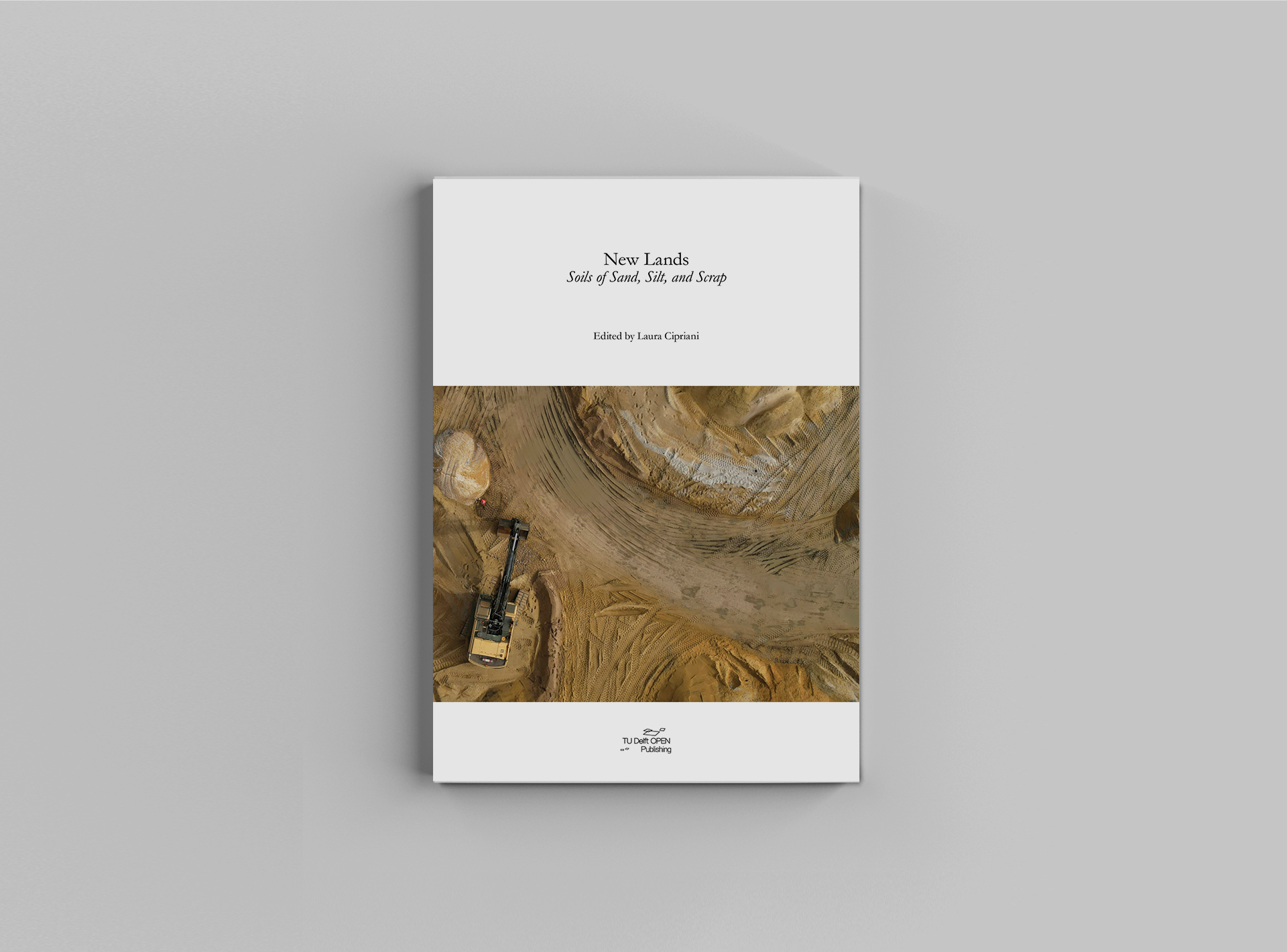
New Lands: Soils of Sand, Silt, and Scrap

Author

Laura Cipriani

Contributors

Fazhong Bai | Lotte Bongers | Laura Cipriani | Xiaoqian Cheng | Liyun Chang | Pleun de Braake | Wout de Joode | Charlotte Delobbe | Ana Paula Duarte de Oliveira Post | Wenting Gao | Linghao Gu | Jingwei Guo | Xenia Georgiadou | Anna Gorokhova | Ailin Han | Kim Handelé | Antong Huang | Hilde Huijboom | Eva IJzermans | Linde Karnebeek | Teresa Lacigová | Zhaolei Li | Wanning Liang | Yi Lu | Sanne Maring | Hugo Mohr | Kelin Mu | Denise Piccinini | Svana Rún Hermannsdóttir | Chang Sun | Stelina Tsalapati | Jingxuan Tu | Venne van den Boomen | Wieke van Ulsen | Qian Yao | Hao Wang | Xinyi Wang | Yiwen Wang | Nils Wolff | Chenye Yang | Junjian Yu | Chuhan Zhang | Huiyuan Zhang | Junhui Zhang

Publisher

TU Delft Open Publishing

Publication Year

2025

Date

October 30, 2025

Category
landscape, research, teaching
About This Project
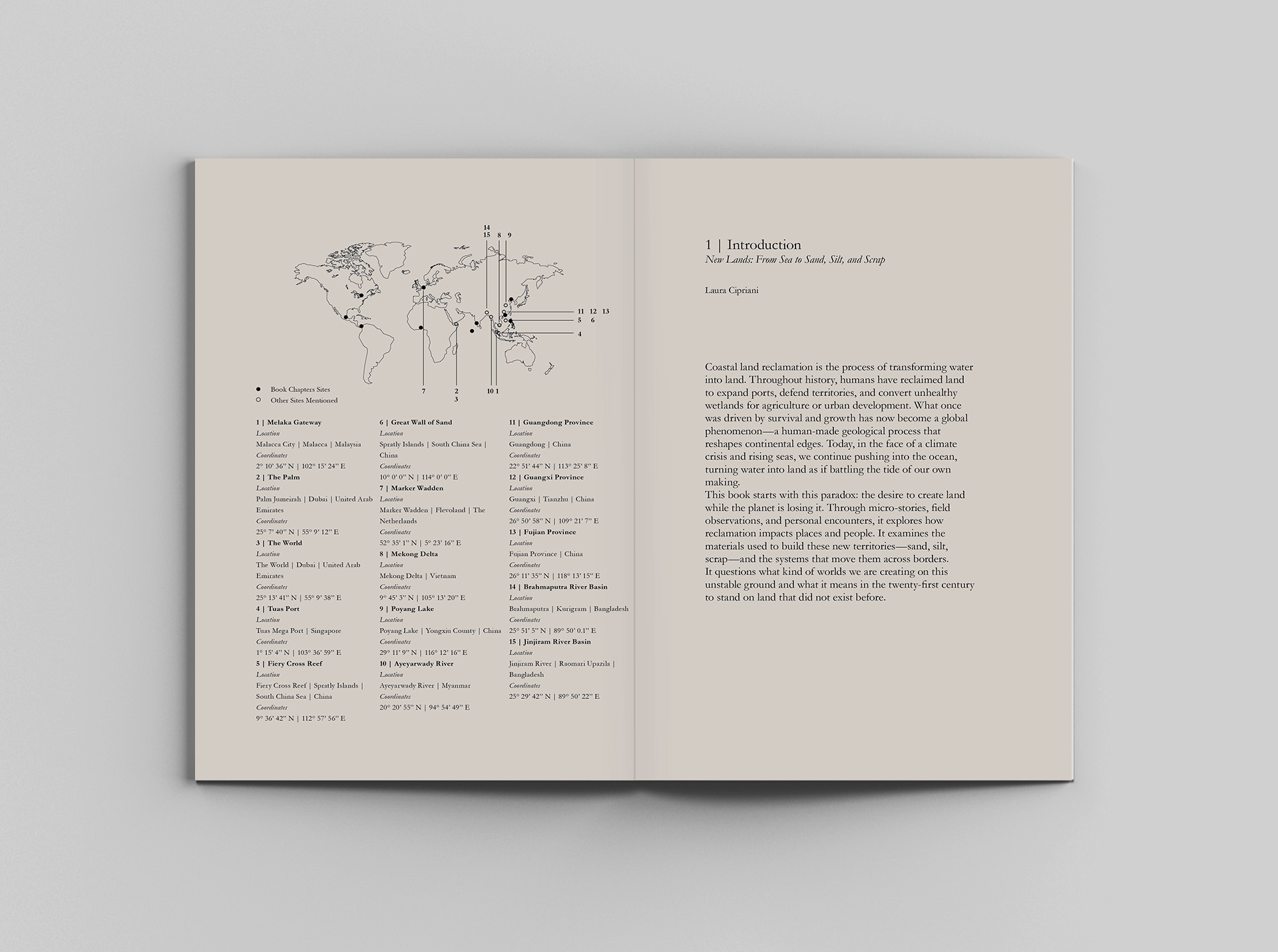
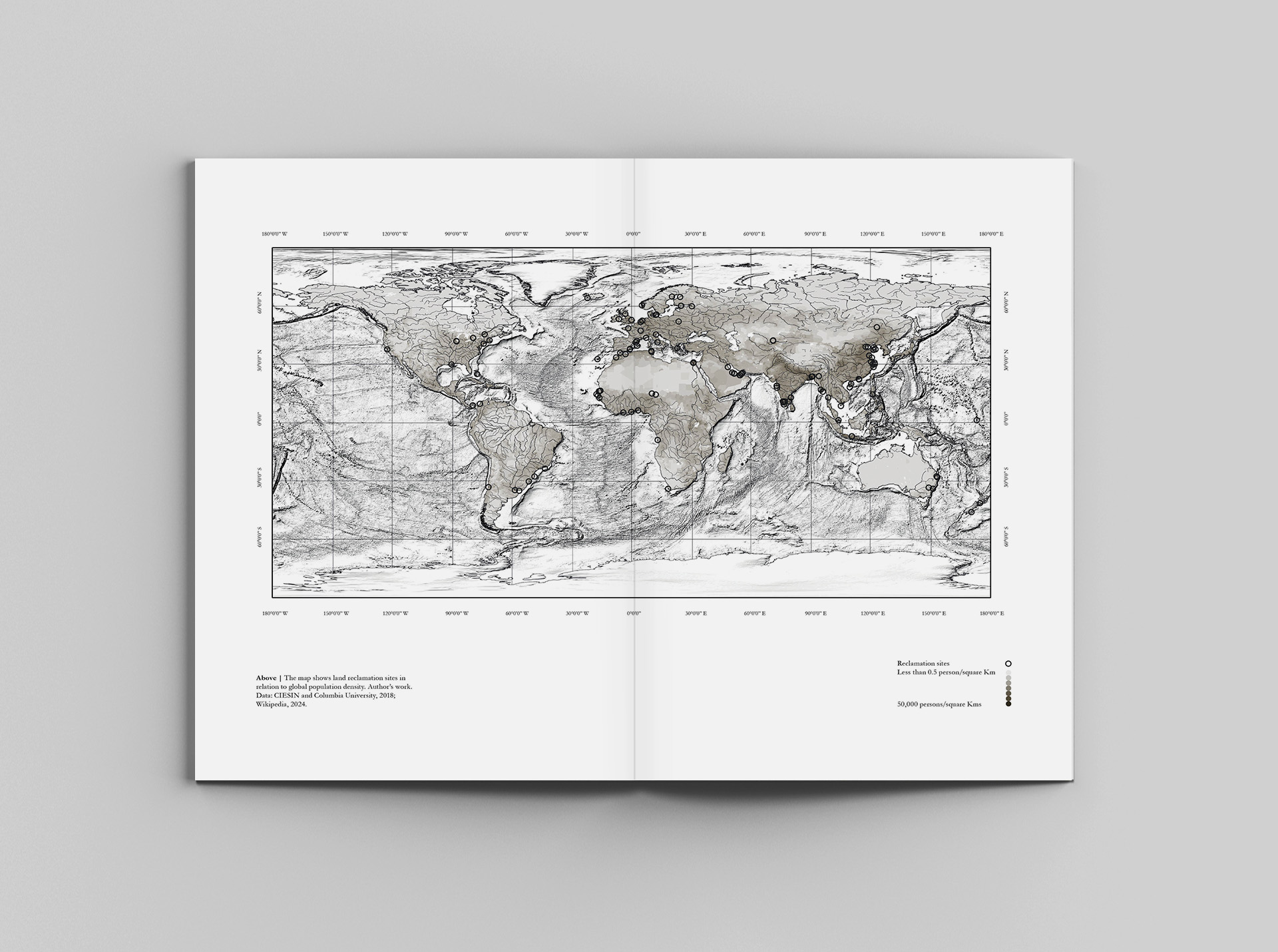
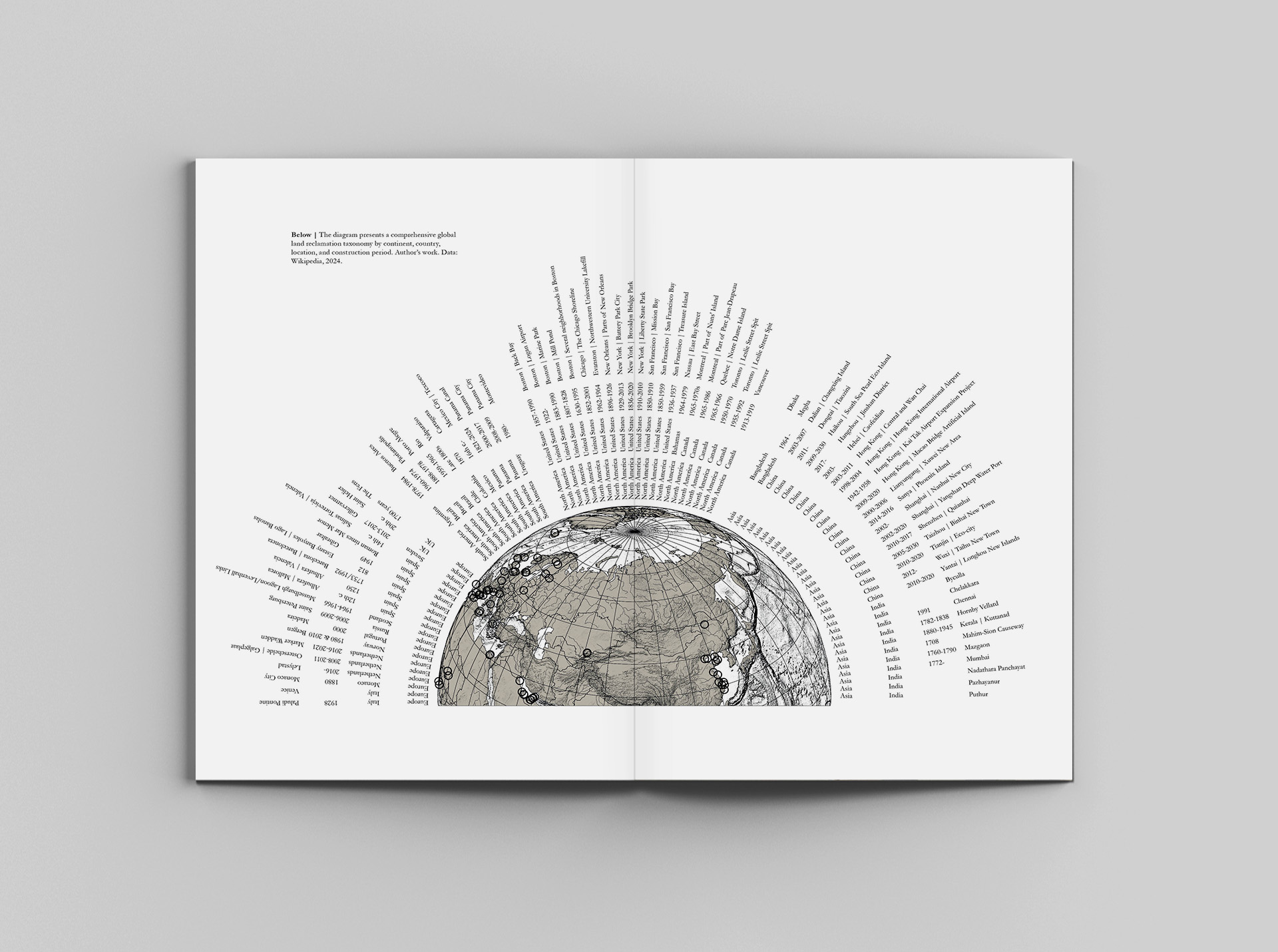
Coastal land reclamation is the process of turning water into land. Historically, humans reclaimed land to expand ports, defend territories, and convert unhealthy wetlands for agricultural or urban development. Yet, what once was an act of survival or growth has become a planetary phenomenon—a human-driven geological process that reshapes the edges of continents. Today, amid a climate crisis and rising seas, we continue to expand into the ocean, transforming water into land as if fighting the tide of our own making.
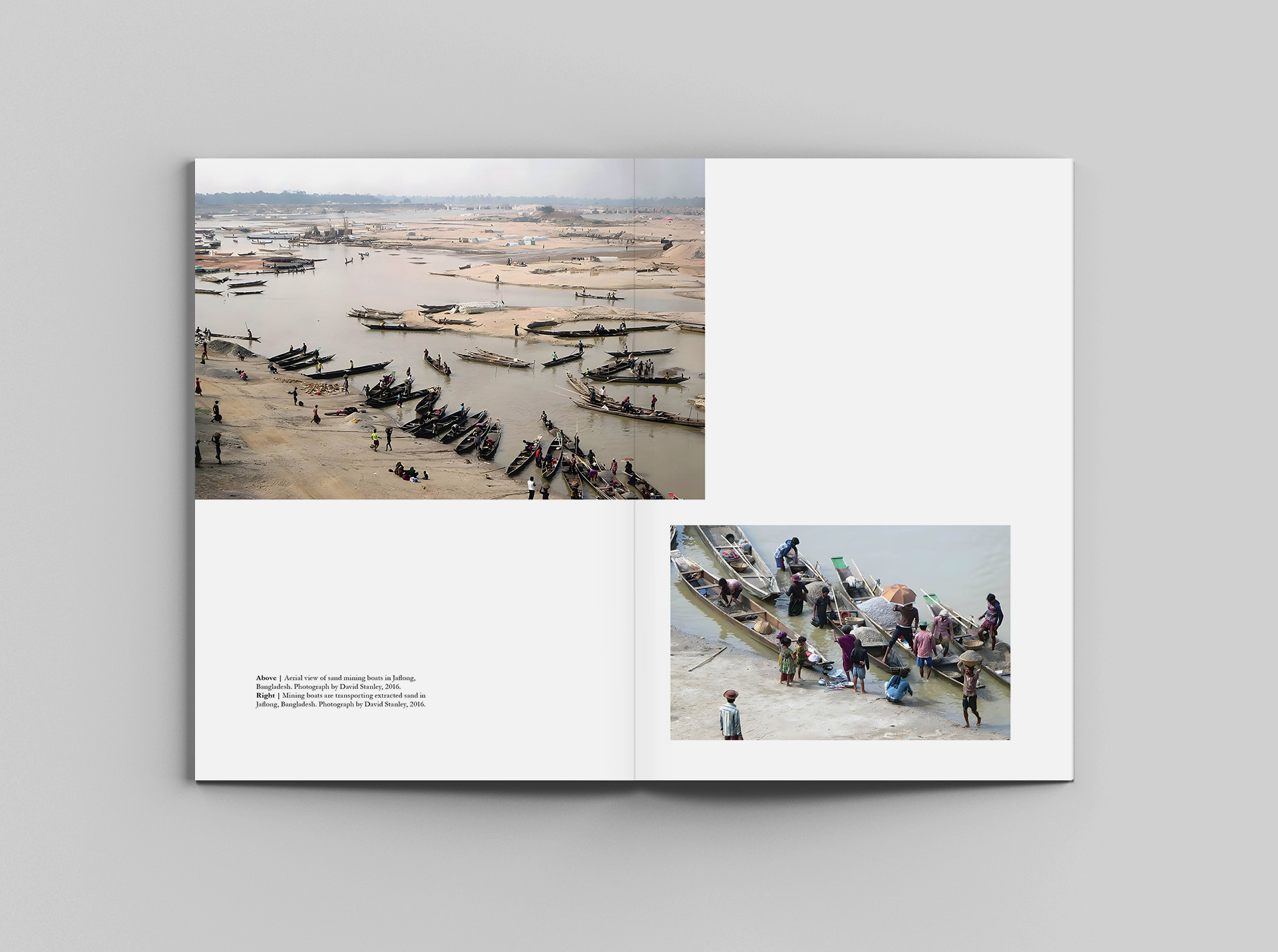
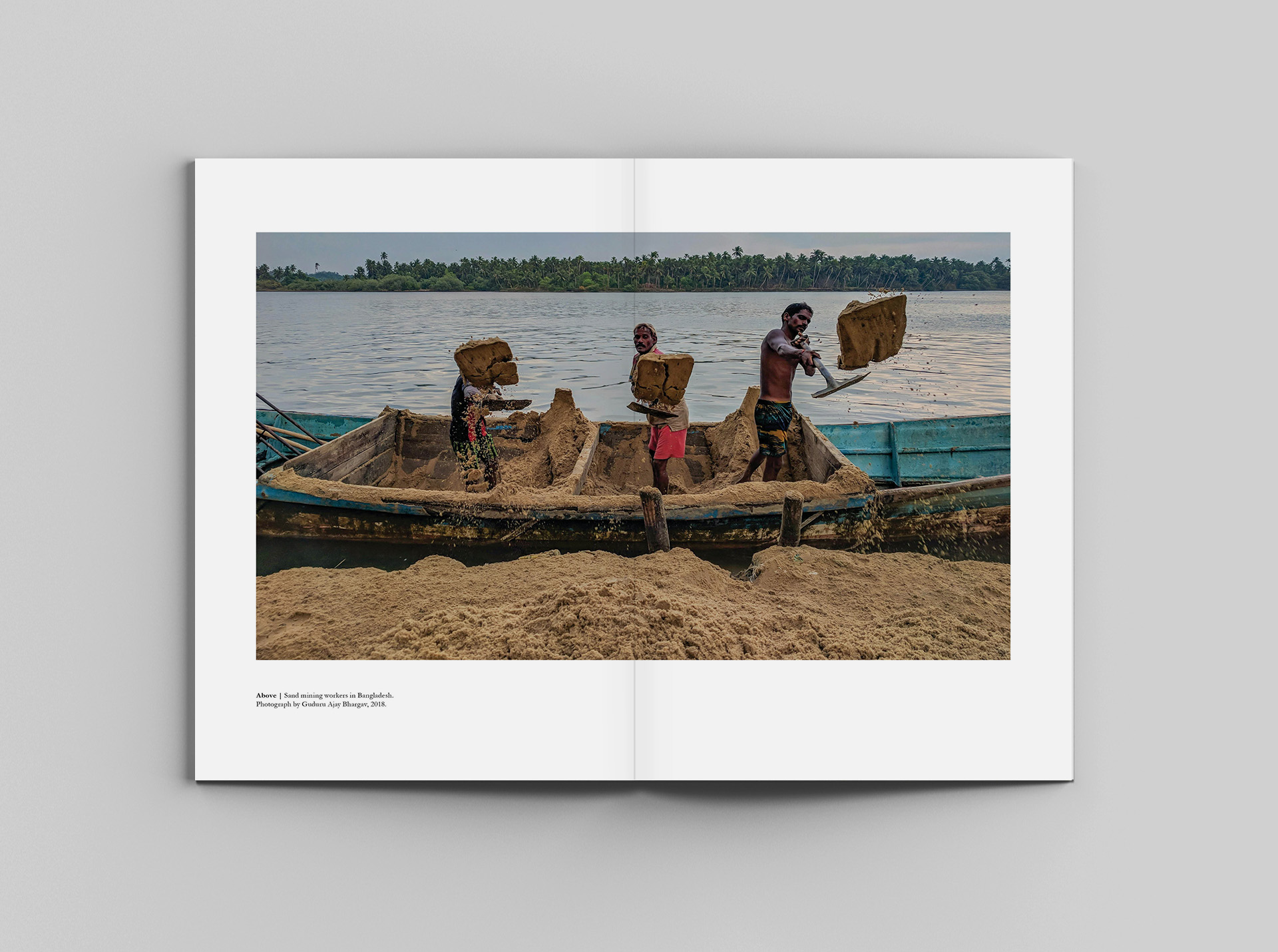
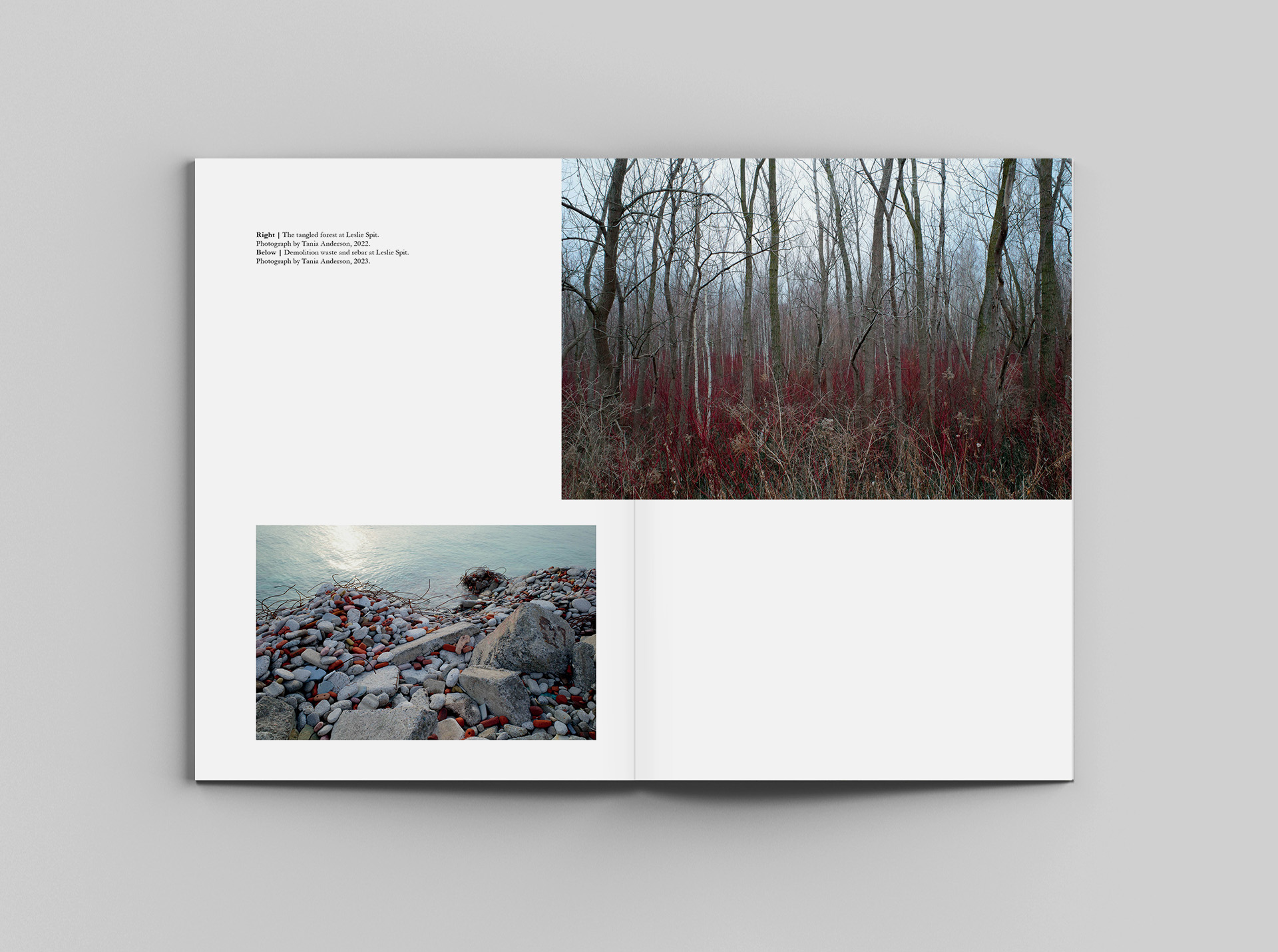
This book begins with that paradox: the desire to create land while the planet itself is losing it. Through micro-stories, field observations, and personal encounters, it explores how places and people are changed by reclamation. It examines the materials that construct these new territories—sand, silt, scrap—and the systems that move them across borders. It questions what types of worlds we are creating on this unstable ground, and what it means, in the twenty-first century, to stand on land that did not exist before.