



Title
Playful Pedagogies: Climate Change as a Game
Author
Laura Cipriani
Contributors
Laura Cipriani | Maguelonne Dejeant-Pons | Alison Goss | Xuejing He | Jiaming Huang | Sara van Keulen | Olivia Lensen | Fenne Manshande | Melissa Meertens | Sari Naito | Roberto Pasini | Valerio Perna | Janaina C.M. Schmittgens | Qianlin Xu | Yuhang Zhai
Publisher
LetteraVentidue / TU Delft Open Publishing
Publication Year
2025
Sponsors
Comenius Programma ComeniusNetwerk Ministrie van Onderwijs, Cultuur en Wetenschap Nationaal Regieorgaan Onderwijsonderzoek (NRO)
Date
October 30, 2025
Category
landscape, research, teachingAbout This Project
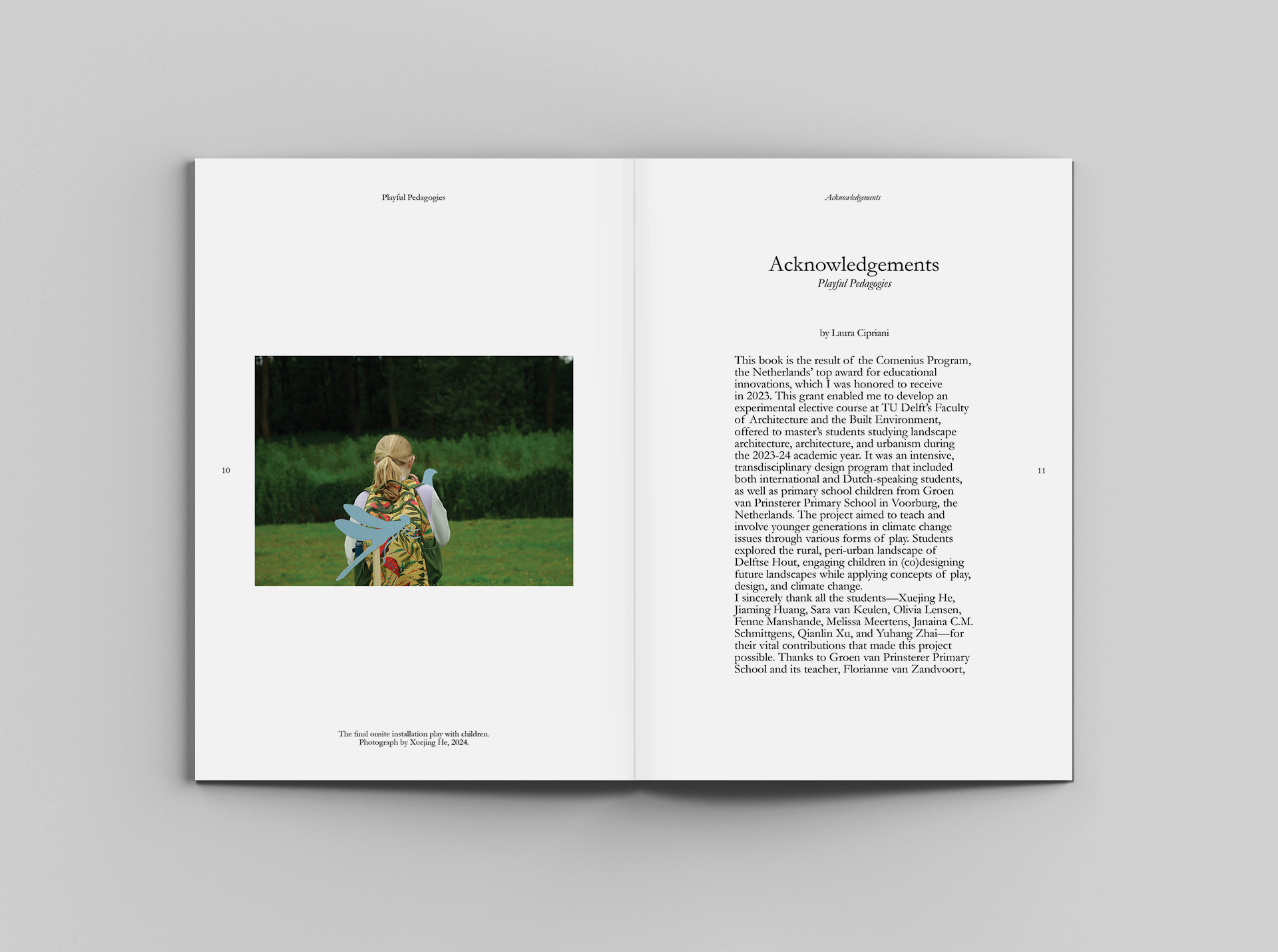
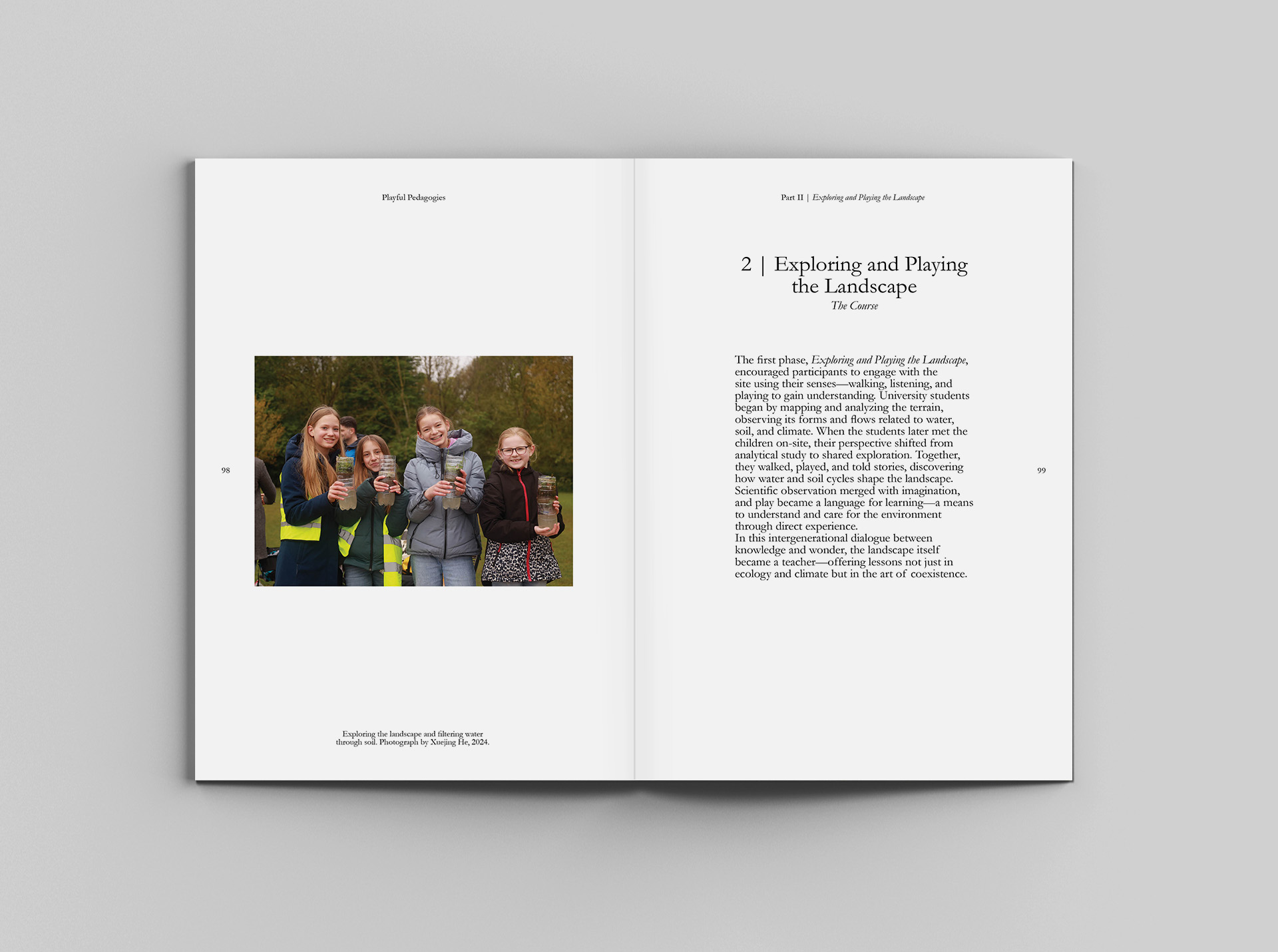
Today’s younger generations face a changing world as climate change transforms landscapes and cities. How can we help them listen to these changes? How can we encourage children and university students to imagine, design, and care for landscapes affected by climate change? And, perhaps most urgently, how do we rethink education itself—creating pedagogies and collaborations that connect primary and higher education through play, creativity, and action? This book is the result of the Comenius Fellowship for didactical and pedagogical innovation—it became a collective learning experiment to act together for the planet. It aims to promote not only ecological and landscape literacy but also emotional and artistic bonds with nature, fostering hopeful engagement in the climate transition to explore, (co)design, and (co)create a new landscape together.
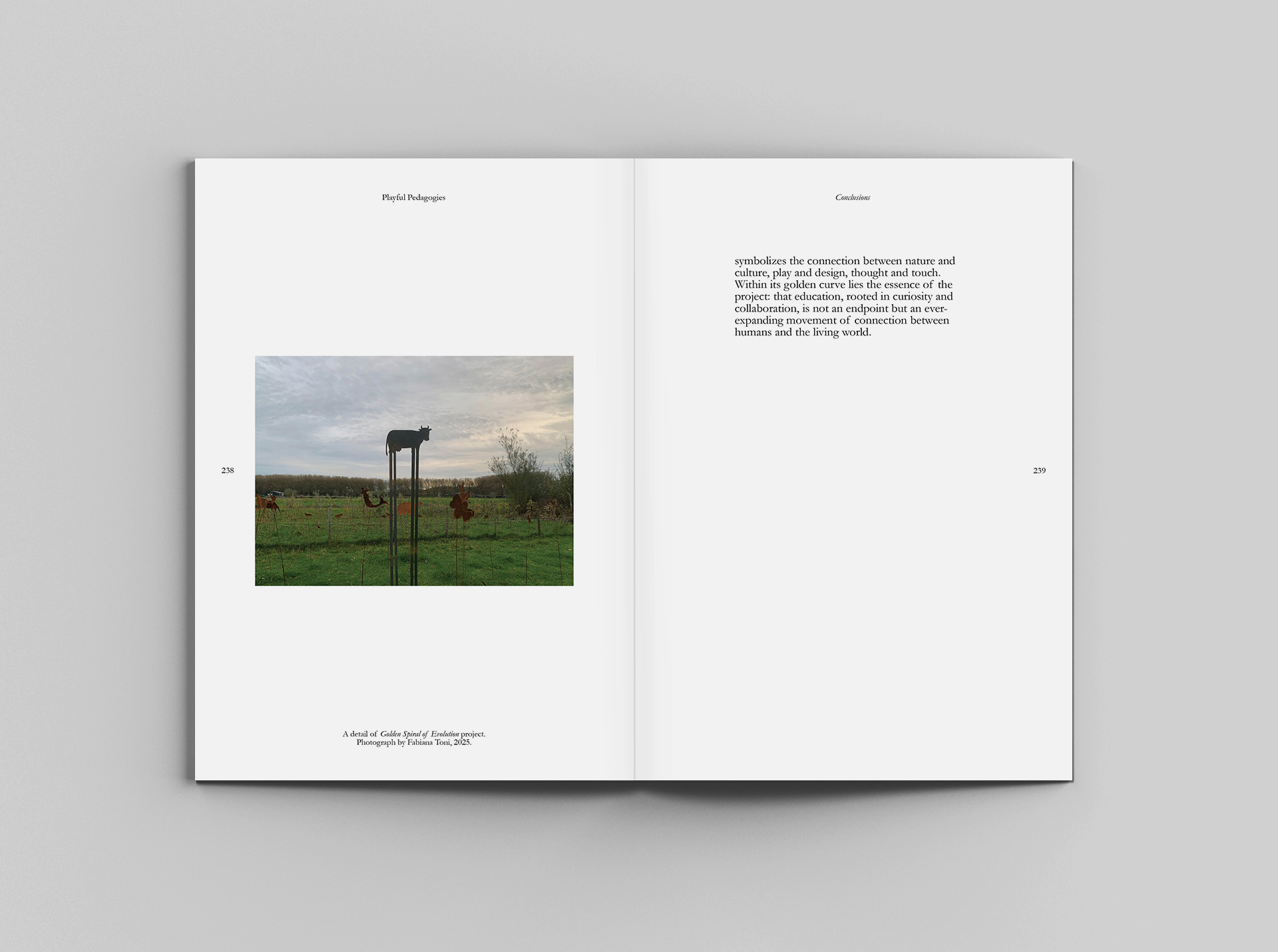
Through the lens of play, the project opens up exploratory paths for learning. Play becomes a teaching method, a designed experience where doing and dreaming blend—where knowledge is gained through movement, storytelling, and creativity. By embracing new roles and perspectives, students and children explore different worlds, beings, and possibilities; and in doing so, they begin to see their own world in a new light. The eyes of the cows or those of the worms shape a different cosmos. Play, in this context, is not escape but a return—a return to curiosity, joy, and the vital pulse of coexistence. It is where learning becomes an act of hope, and where design, landscape, and imagination come together in a shared promise: that the future, like Earth itself, can still be shaped with care.